Art
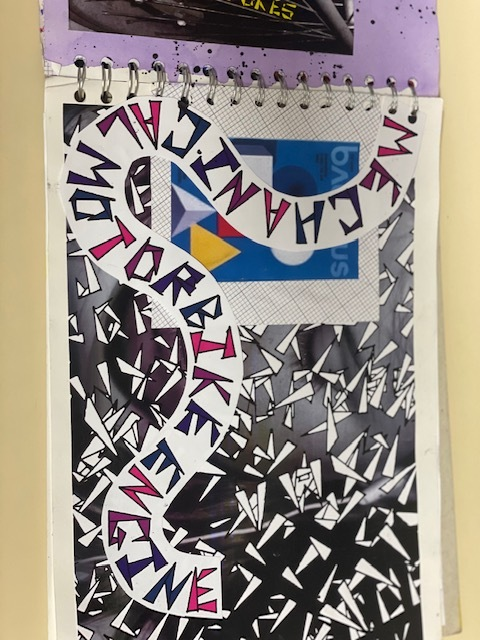
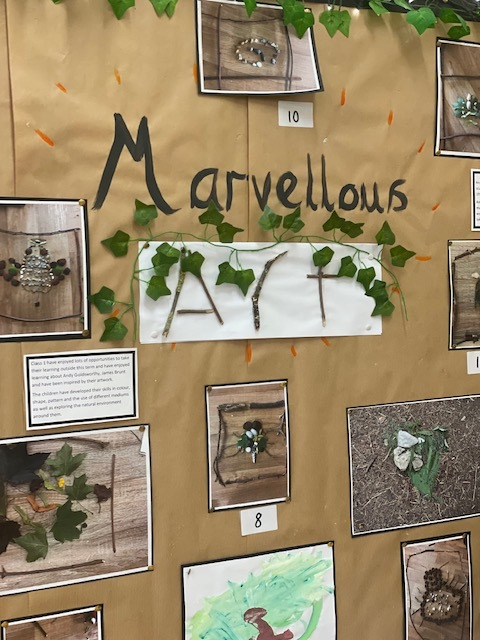
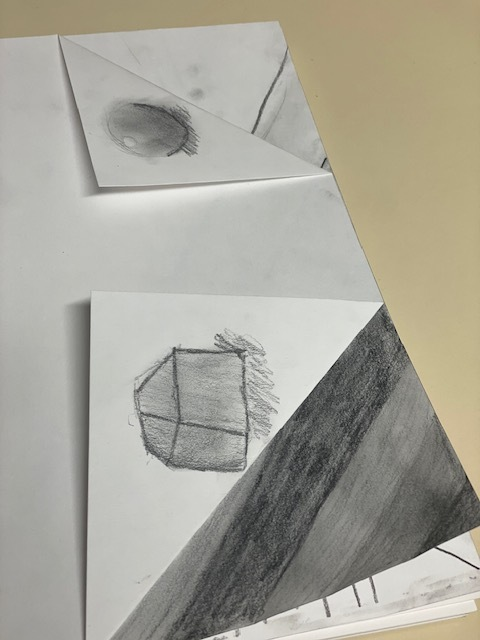
We recognise Art as a key component of an ambitious and broad curriculum. Our approach ensures pupils develop a clear progression of knowledge and skills while having rich opportunities for creativity and self-expression. Through studying a diverse range of artists, craft makers and designers, children build cultural capital and deepen their understanding of artistic techniques and traditions.
Art in Early Years (Key foundational knowledge)
Art in the Early Years is mainly taught through ‘Expressive Arts and Design’ and ‘Physical Development’.
The EYFS Framework states:
Expressive Arts and Design
The development of children’s artistic and cultural awareness supports their imagination and creativity. It is important that children have regular opportunities to engage with the arts, enabling them to explore and play with a wide range of media and materials. The quality and variety of what children see, hear and participate in is crucial for developing their understanding, self-expression, vocabulary and ability to communicate through the arts. The frequency, repetition and depth of their experiences are fundamental to their progress in interpreting and appreciating what they hear, respond to and observe.
Physical Development
Fine motor control and precision helps with hand-eye co-ordination, which is later linked to early literacy. Repeated and varied opportunities to explore and play with small world activities, puzzles, arts and crafts and the practice of using small tools, with feedback and support from adults, allow children to develop proficiency, control and confidence.
The table below outlines the aspects of the Elevate EYFS Curriculum that feed into our Art curriculum progression:
|
Reception (4-5 year olds) |
Early Learning Goals |
|
|
Creating with Materials Enjoy observational drawing, taking care to include details Use smaller mark-making tools to add details (eyes, eyelashes, fingers and hair strokes on a portrait) Share their creations with their peers and talk about the process of their design, giving clear instructions on how to recreate this Hold coloured pencils differently, depending on the effect that they desire (sketching, hard/soft pressure) Be willing to listen to feedback and adapt/re-create their work. Design their own props and resources to support their imaginative role play and small world play (masks, setting back drop, puppets) Cut using scissors with increasing accuracy, cutting curved edges and rotating the paper accordingly. Plan and design what they are going to create and what resources Experiment with different methods of joining materials such as using split pins, treasury tags, staplers, glue guns, tying knots and sewing.
|
ELG: Creating with Materials Safely use and explore a variety of materials, tools and techniques, experimenting with colour design, texture, form and function;
Share their creations, explaining the process they have used;
|
|
|
Fine motor skills Beginning to gain more control of tools such as scissors, hammers and spades. Use one handed tools and equipment, eg making snips in paper with scissors. Hold a pencil using the correct grip. |
ELG: Fine motor skills Begin to show accuracy and care when drawing
Hold a pencil effectively in preparation for fluent writing- using the tripod grip in almost all cases
Use a range of small tools, including scissors, paint brushes and cutlery |
|
|
Vocabulary Grip push pull darker lighter shade primary colour secondary colour spiral wave straight curved zigzag |
||
Intent
- To engage, inspire and challenge pupils, equipping them with the knowledge and skills to experiment, invent and create their own works of art, craft and design.
- As pupils progress through school, they should begin to think critically and develop a rigorous understanding of art.
- They should also know how art and design both reflect and shape history, culture and creativity of the world.
- To produce creative work, exploring their ideas and recording their experiences and expressing themselves as individuals.
- To become proficient in drawing, painting, sculpture and other art, craft and design techniques.
- To evaluate and analyse creative works using the language of art, craft and design.
- To know about great artists, craft makers and designers, and understand the historical and cultural development of their art forms.
Implementation
- The National Curriculum for art is taught to all year groups.
- A clear progression in knowledge, skills and vocabulary is taught throughout the school starting at Early Years through to year 6 to ensure connections are clear, coverage is met and the sequence builds on skills as children progress through school.
- Sequencing of lessons allows for children to connect previously taught knowledge from across the curriculum to new learning in order to help make connections and understand new learning.
- Trio Time is used to retrieve and reinforce previously taught knowledge in order to consolidate prior learning. It also used as a strategy to assess knowledge.
- Key vocabulary is shared and discussed at the start of each lesson and revisited in future lessons.
- Inquiry based activities encourage curiosity and independence within all of our learners.
- Teachers assess and adapt teaching for all groups of learners, specifically providing extra targeted support and challenge for SEND, pupil premium and our most vulnerable children.
- We ensure pupils secure the essential foundational knowledge, beginning in Early Years, that enables them to build increasingly complex understanding over time, so that the curriculum is coherently sequenced, cumulative, and helps all children know more and remember more.
- Key vocabulary is shared, discussed and revisited in lessons and as children progress through school.
- Art contributes significantly to a pupil’s ‘rounded’ development. Art is delivered by teaching specific skills and weaved throughout cross curricular opportunities.
- Progression in knowledge, complexity of thought, depth of knowledge and application of skills are implemented through the use of our progression document.
- Cross-curricular work offers a creative way to develop children's knowledge, skills and understanding while motivating them to learn through a stimulating, interconnected curriculum.
- When planning, teachers focus on key artist, sculptors and designers to gain an understanding in historical and cultural development and their art forms.
The intended impact of our Art approach is that:
- Children are curious and passionate artists with an ever-growing skill and knowledge set.
- All children make good progress from starting points in Art. PP children feel confident they are making progress in Art and can talk about their learning with pride.
- Children are able to effectively use age appropriate art and design vocabulary - vocabulary gain becomes more than just a word list and supports teaching.
- Outcomes evidence a broad and balanced art and design curriculum and demonstrate children’s acquisition of identified key knowledge and a progression in skills.