Geography
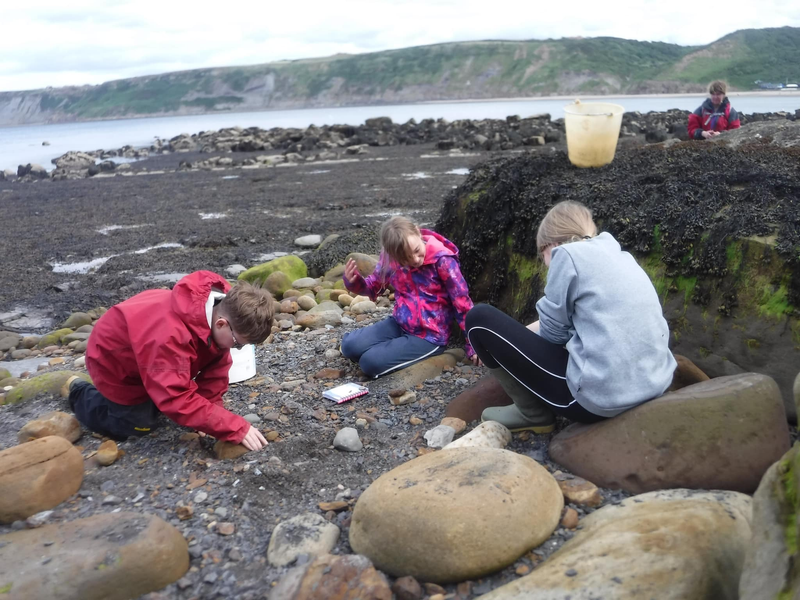
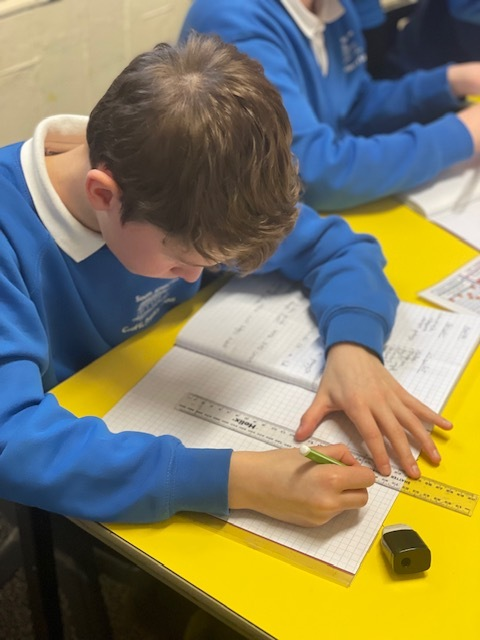
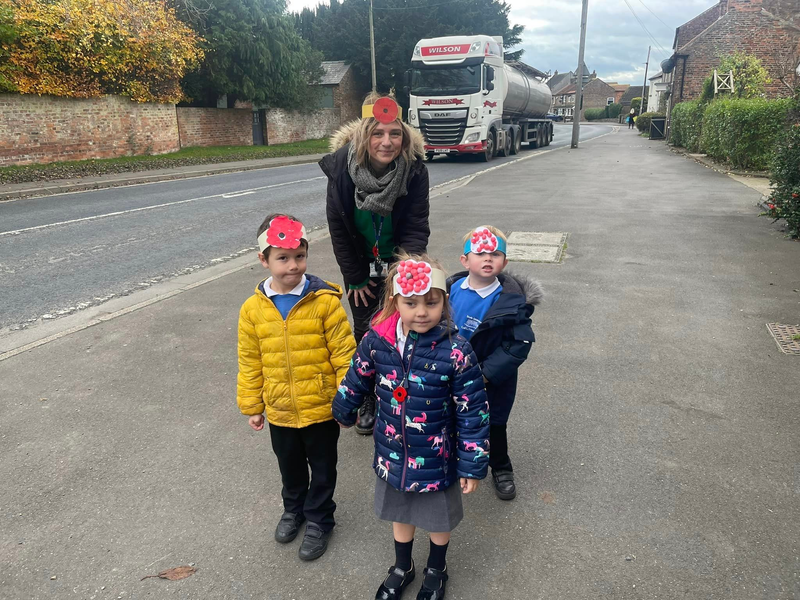
Our Geography curriculum is designed to inspire curiosity and deepen pupils’ understanding of the world and its people. We provide opportunities for children to ask meaningful questions, investigate real-world issues, and develop geographical skills through practical enquiry and fieldwork. Pupils learn to collect, analyse, and present data accurately while building knowledge of human and physical processes. By studying diverse places, environments, and communities, children gain a secure sense of location, scale, and interconnection, helping them understand their role in a changing world. This approach promotes cultural awareness and equips pupils with the knowledge and skills needed for future learning and life.
Geography in Early Years (Key foundational knowledge)
Geography in the Early Years is mainly taught through ‘Understanding the World’.
The EYFS Framework states:
Understanding the world involves guiding children to make sense of their physical world and their community. The frequency and range of children’s personal experiences increases their knowledge and sense of the world around them – from visiting parks, libraries and museums to meeting important members of society such as police officers, nurses and firefighters. In addition, listening to a broad selection of stories, non-fiction, rhymes and poems will foster their understanding of our culturally, socially, technologically and ecologically diverse world. As well as building important knowledge, this extends their familiarity with words that support understanding across domains. Enriching and widening children’s vocabulary will support later reading comprehension.
The table below outlines the aspects of the Elevate EYFS Curriculum that feed into our Geography curriculum progression:
|
Reception (4-5 year olds) |
Early Learning Goals |
|
People, Culture and Communities Know the village/town/city in which their school and home is located. Draw information from a simple map. Recognise some similarities and differences between life in this country and life in other countries. Know about different occupations and ways of life. |
ELG: People, Culture and Communities Describe their immediate environment using knowledge from observation, discussion, stories, non-fiction texts and maps.
Explain some similarities and differences between life in this country and life in other countries, drawing on knowledge from stories, non-fiction texts and, when appropriate, maps. |
|
The Natural World Explore the natural world around them, recording observations and drawing pictures of animals and plants. Describe what they see, hear and feel whilst outside. Recognise some environments that are different to the one in which they live. Understand the effect of changing seasons on the natural world around them. Observe and discuss similarities, changes and patterns in seasons, weather, growth. |
ELG: The Natural World Know some similarities and differences between the natural world around them and contrasting environments, drawing on their experiences and what has been read in class.
Understand some important processes and changes in the natural world around them, including the seasons and changing states of matter.
|
|
Vocabulary address road avenue street close lane village town country world globe atlas map house bungalow detached semi-detached terrace route journey travel transport community job teacher farmer doctor nurse vet postal worker shop keeper dentist police officer soldier butcher baker grocer vicar firefighter weather season Spring Summer Autumn Winter North Pole South Pole Arctic Antarctic Africa China England North Yorkshire church pub school play park farm factory shop supermarket similar different |
|
Intent
- Provoke thought, questions and encourage children to discover answers to their own questions through exploration and research.
- Children develop a deeper understanding of our world and their place within it.
- Children will be confident in the geographical skills needed to collect, analyse and communicate with a range of data gathered through experiences of fieldwork that deepen their understanding of geographical processes.
- Children will develop geographical skills and knowledge through studying places, people and natural and human environments. This seeks in order to deepen their understanding of the Earth’s human and physical forms and processes.
Implementation
- The National Curriculum for geography is taught to all year groups.
- A clear progression in knowledge, skills and vocabulary is taught throughout the school starting at Early Years through to year 6 to ensure connections are clear, coverage is met and the sequence builds on skills as children progress through school.
- Sequencing of lessons allows for children to connect previously taught knowledge from across the curriculum to new learning in order to help make connections and understand new learning.
- Trio Time is used to retrieve and reinforce previously taught knowledge in order to consolidate prior learning. It also used as a strategy to assess knowledge.
- Key vocabulary is shared and discussed at the start of each lesson and revisited in future lessons.
- Teachers assess and adapt teaching for all groups of learners, specifically providing extra targeted support and challenge for SEND, pupil premium and our most vulnerable children.
- We ensure pupils secure the essential foundational knowledge, beginning in Early Years, that enables them to build increasingly complex understanding over time, so that the curriculum is coherently sequenced, cumulative, and helps all children know more and remember more.
- The local learning area is fully utilised, providing extensive opportunities to use this space as an extra classroom to enhance teaching and learning in Geography.
- Links are made to wider areas of the curriculum when they naturally fit to ensure opportunities for pupils to develop their learning in a range of contexts.
Impact
- Children are increasingly independent thinkers and can generate their own questions to study through fieldwork and observation.
- Outcomes in Geography books evidence a broad and balanced geography curriculum and demonstrate children’s acquisition of identified key knowledge and a progression in skills.
- Children leave South Kilvington with a solid understanding of some of the diverse people and places in our world.
- Children will have the knowledge and skills to be able to discuss geographical issues, reflect and form their own opinions on matters such as climate change and natural disasters.
- Children will be inquisitive young learners and citizens who choose to understand global environmental issues, protecting and shaping the world we share.