Science
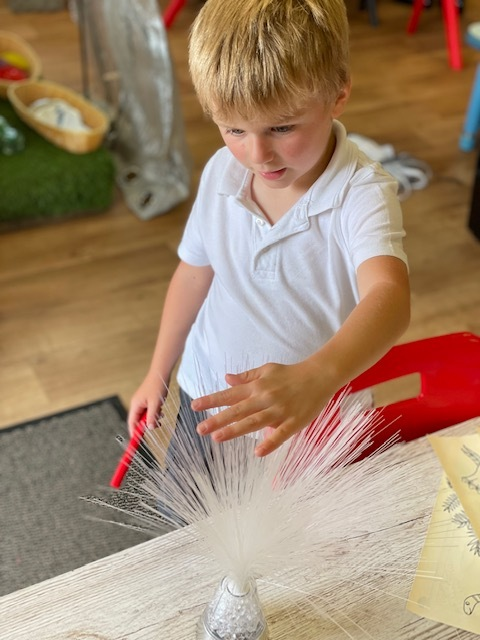
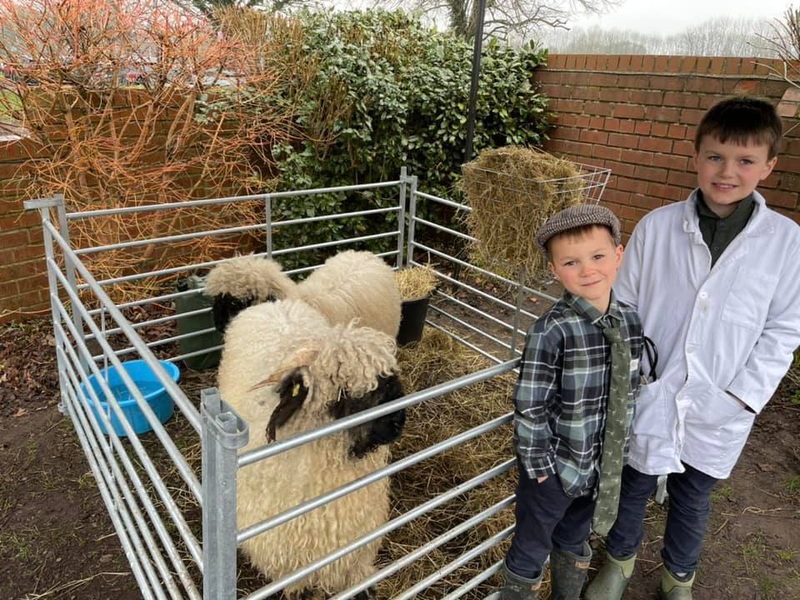
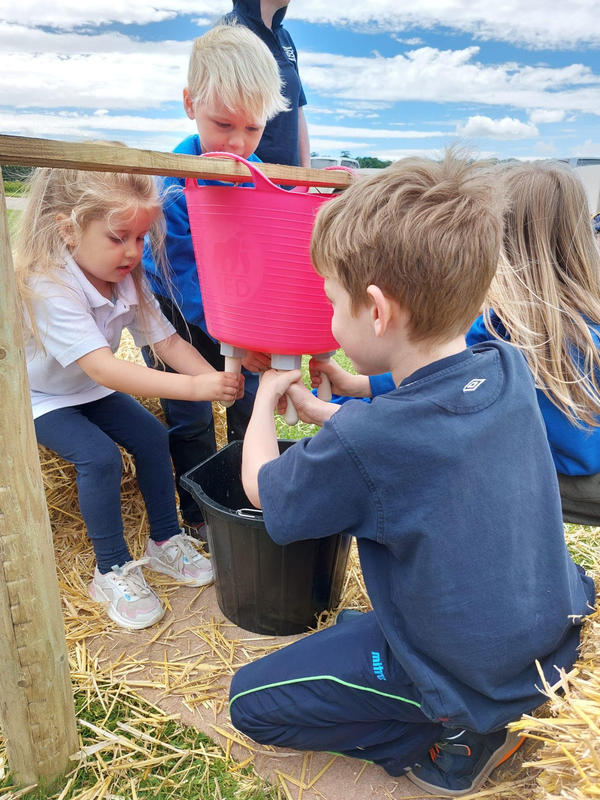
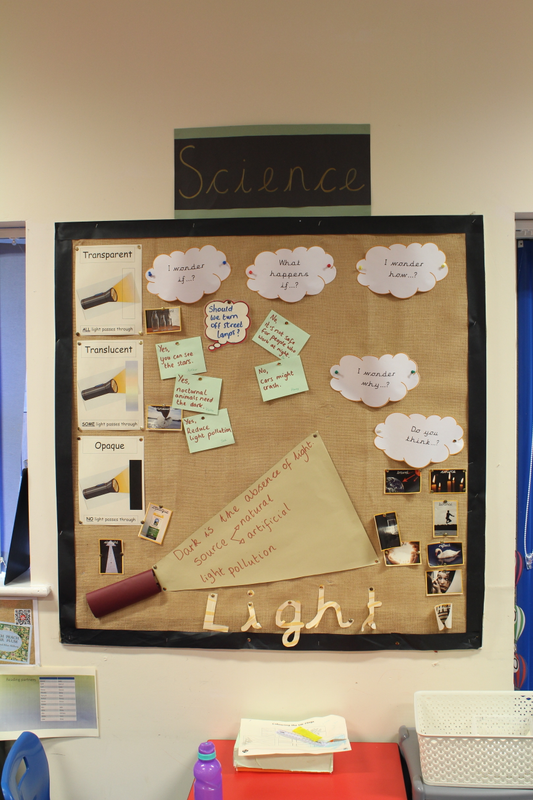
We aim to develop a love for the subject of Science, and understand its importance and relevance in everyday life. We also aim to provide children opportunities to inquire about the world we live, investigate how it works and discover answers to their own questions.
Science in Early Years (Key foundational knowledge)
Science in the Early Years is mainly taught through ‘Understanding the World’.
The EYFS Framework states:
Understanding the world involves guiding children to make sense of their physical world and their community. The frequency and range of children’s personal experiences increases their knowledge and sense of the world around them – from visiting parks, libraries and museums to meeting important members of society such as police officers, nurses and firefighters. In addition, listening to a broad selection of stories, non-fiction, rhymes and poems will foster their understanding of our culturally, socially, technologically and ecologically diverse world. As well as building important knowledge, this extends their familiarity with words that support understanding across domains. Enriching and widening children’s vocabulary will support later reading comprehension.
The table below outlines the aspects of the Elevate EYFS Curriculum that feed into our Science curriculum progression:
|
Reception (4-5 year olds) |
Early Learning Goals |
|
The Natural World Talk about and investigate the immediate natural environment and material. Compare, describe and investigate materials i.e leaves, plants, rocks, bark. Explore new vocabulary. Develop an understanding of the effect of human impact and their own behaviour on the environment. Show care and concern for livings things and the environment. Describe what they can see, hear and feel outside. Develop an understanding and investigate growth, decay, changes over time. Name and describe the different seasons and their weather. Asks questions about the natural world and where they live. Use appropriate vocabulary to express ideas and observations. Understand the importance of caring for the environment and natural world. Talk about how their environment and another might differ. Observe and interact with natural processes – ice melting, sound vibration, shadows, floating. Observe and discuss similarities, changes and patterns in seasons, weather, growth. Compare own environment and experience of the natural world to others. Observe plants and animals and explain what changes occur and why. Using a magnifying glass to observe |
ELG: The Natural World
Explore the natural world around them, making observations and drawing pictures of animals and plants
Know some similarities and differences between the natural world around them and contrasting environments, drawing on their experiences and what has been read in class.
Understand some of the important processes and changes in the natural world around them, including the seasons and changing states of matter. |
|
Vocabulary Seasons/weather – Autumn, Winter, Spring, Summer, freeze, melt, weather, storm, rain, snow, hail, lightning, thunder, volcano, tornados Environment – pollution, waste, recycle, reuse, sustainable, damage, destroy, deforestation, effect, decay Life cycles/plants/animals – grow develop, stem, roots, petals, pollen, pollinator, species, hibernate, mammals, reptiles, insects, wings, antennae, herbivore, carnivore, omnivore Identification – observe, identify, describe, details, features Forces – pull, push, attract, repel, magnetic |
|
Our intent for children in Science is to:
- · Develop an enthusiasm and enjoyment of scientific learning and discovery.
- Develop scientific knowledge and conceptual understanding of the different aspects of the science curriculum.
- Develop understanding of the nature, processes and methods of Science through different types of science enquiries that help them to answer scientific questions about the world around them.
- Be equipped with the scientific knowledge required to understand the uses and implications of Science, today and for the future.
- Develop the essential scientific enquiry skills to deepen their scientific knowledge.
- Use a range of methods to communicate their scientific information and present it in a systematic, scientific manner.
- Develop a respect for the materials and equipment they handle with regard to their own, and other children’s safety
We implement this by:
- Inquiry based unit planning to encourage curiosity and independence within all our learners.
- The National Curriculum for history is taught to all year groups.
- Trio Time is used to retrieve and reinforce previously taught knowledge in order to consolidate prior learning. It also used as an assessment strategy.
- Key vocabulary is shared and discussed at the start of each lesson and revisited in future lessons.
- A clear progression in knowledge, skills and vocabulary is taught throughout the school starting at Early Years through to year 6 to ensure connections are clear, coverage is met and the sequence builds on skills as children progress through school.
- Teachers assess and adapt teaching for all groups of learners, specifically providing extra targeted support and challenge for SEND, pupil premium and our most vulnerable children.
- Progression in Scientific Enquiry and Scientific knowledge, complexity of thought, depth of knowledge and application of these skills are implanted through the ELEVATE progression document.
- Planning for creative and innovative activities that ensures consistency in teaching, excitement and challenge for all.
- Providing a range of opportunities for investigation and inquiry through open ended investigations.
- Create an open, honest culture where ideas and misconceptions can be discussed in a safe and encouraging environment.
- Develop positive attitudes towards science and motivating their peers into becoming inquisitive, passionate and enthusiastic scientists.
The impact of our science approach is that children:
- Make outstanding progress in science and enjoy participating in the subject.
- Talk confidently about science and their learning
- Provide children with foundations for understanding the world.
- Learn through first-hand experience about the world around them.