

Reading
Reading
Our reading curriculum prioritises a love of reading through daily story time, rich discussion, and exposure to high-quality texts, while systematically developing phonics, fluency, and comprehension in line with DfE guidance. We ensure fidelity to Read Write Inc for secure decoding, strengthen vocabulary and language through structured talk and build fluent, expressive reading as the bridge to deep understanding and lifelong enjoyment.
Intent
· Love of Reading: Foster enthusiasm and a reading-for-pleasure culture through daily story time, rich discussion, and enjoyment of diverse texts.
· Comprehension and Vocabulary: Develop deep understanding and language through structured talk, vocabulary-rich discussion, and explicit comprehension strategies.
· Phonics Fidelity: Deliver systematic synthetic phonics with strict adherence to the Read Write Inc programme, supported by fully decodable books and daily practice.
· Fluency as a Bridge: Develop fluent reading, automatic, accurate decoding with appropriate expression to connect decoding and comprehension, strengthened through purposeful re-reading.
Implementation
Early Phonics (EYFS & Year 1 – Robins)
- Systematic phonics: Fidelity to Read Write Inc ensures structured progression.
- Daily decodable texts: Pupils take home matched books to build fluency and automaticity.
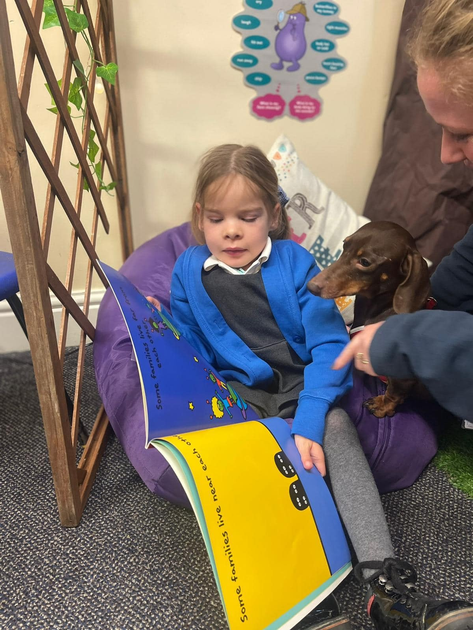
- Storytime every day: Promotes comprehension, vocabulary development, and reading enjoyment.
Whole-Class Reading (Year 2 - 6)
- Range of texts: Monday and Tuesday focus on non-fiction texts, Wednesday and Thursday focus on fiction and Friday is book club focusing on reading for pleasure.
- High-quality texts and teacher modelling: Deep comprehension and cognitive engagement.
- Fluency strategies: Choral, paired and expressive reading.
- Vocabulary instruction: Pre-teaching, word banks, synonyms support Word Reading and Language Comprehension strands.
- Retrieval practice: Daily “Quick 6” and domain challenges assess understanding and strengthen knowledge retention.
- Re-reading for fluency: Scheduled repetition of key texts to build automaticity.
- Talk for comprehension: Structured partner and group discussion to deepen understanding.
- Phonics beyond KS1: Targeted support for older pupils who need decoding intervention.
Our 4-part lesson outline aligns well with research-based best practice:
|
Phase |
Why? |
|
Vocabulary recap (2 min) |
Builds language comprehension |
|
Modelling & reading (15 min) |
Develops fluency and comprehension through guided reading and expression |
|
Quick 6 retrieval (3 min) |
Reinforces domain tracking and retrieval practice |
|
Domain challenge (10 min) |
Encourages depth of understanding, critical thinking and reading stamina. |
Teachers assess and adapt teaching for all groups of learners, specifically providing extra targeted support and challenge for SEND, pupil premium and our most vulnerable children. Vocabulary scaffolding, pre-teaching, targeted questioning and strategic pairing ensure all pupils keep pace and close gaps. We ensure pupils secure the essential foundational knowledge, beginning in Early Years, that enables them to build increasingly complex understanding over time, so that the curriculum is coherently sequenced, cumulative, and helps all children know more and remember more.
Reading for pleasure culture
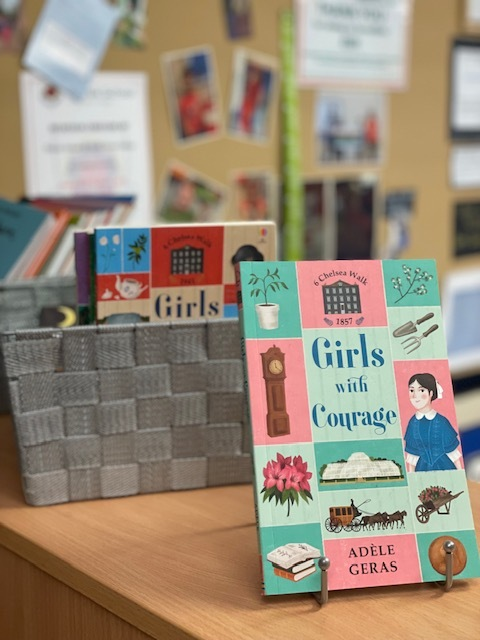
- A visible reading culture. Staff regularly share and model their own reading through recommended reads and read‑alouds, widening pupils’ knowledge of high‑quality, diverse texts and strengthening the “will to read.”
- Daily rich encounters with texts. Whole Class Reading uses carefully chosen, inclusive literature reflecting our community, other cultures and wellbeing themes to develop breadth, empathy and motivation alongside comprehension.
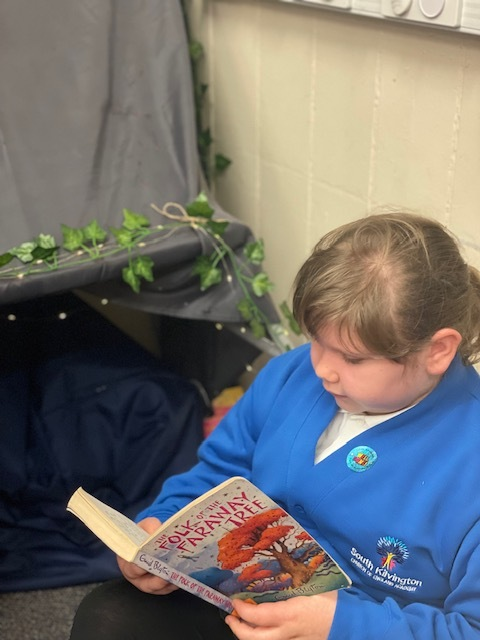
- Choice and agency. Pupils select independent reading from well‑stocked classroom libraries and the school library, supporting autonomy and sustained engagement.
- Inviting book environments. Every classroom has an intentionally curated, attractive book corner that prioritises quality of texts over decoration, making reading frequent and social.
- Early foundations. In Robins (Reception & Y1), books and early writing are embedded across continuous provision, ensuring frequent storytime, text talk and playful literacy.
- Home–school partnership & celebration. A weekly reading raffle recognises regular home reading, signalling value, sustaining habits and building community around reading.
Why this matters:
Regular, choice‑led reading is linked to higher attainment, vocabulary growth and wider wellbeing; enjoyment of reading is a stronger predictor of educational success than socio‑economic status.
- Teachers as reading role models (staff recommended reads; daily read‑aloud).
- Curated text selection in WCR: inclusive, culturally broad, wellbeing‑aware.
- Pupil choice and well‑organised book stock in class libraries and the library.
- Story, talk, and provision in EY/KS1 continuous provision.
- Celebration and parental engagement (weekly raffle recognising home reading).
- Impact rationale: enjoyment ↔ attainment; equity benefits.