History
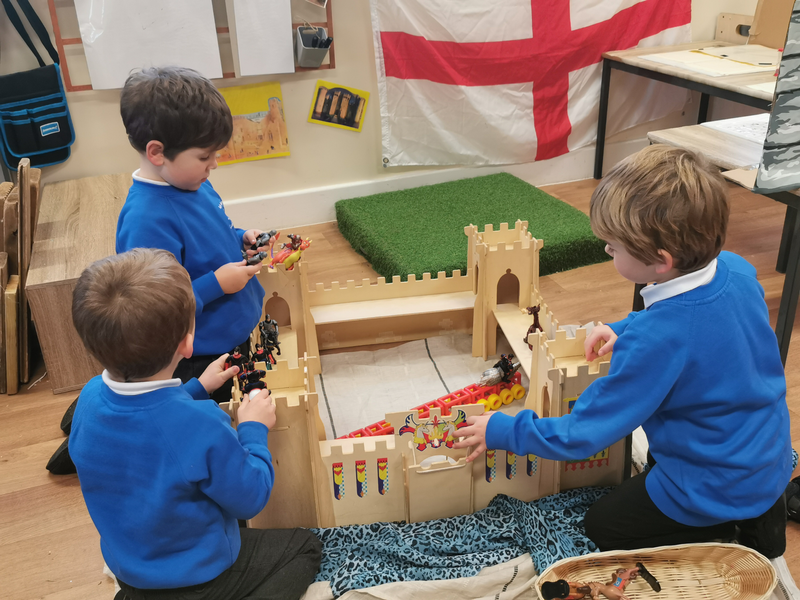
Our History curriculum is designed to engage and inspire pupils’ curiosity about the past and its impact on the present. A clear progression of knowledge and skills, enables children to develop a secure understanding of local history, Britain’s past, and the wider
world. Pupils learn to explore events, people, and places from multiple perspectives, using historical vocabulary with increasing precision. Through building a strong sense of chronology and studying significant individuals, key events, and important locations,
children gain insight into how the past has shaped modern life. This approach fosters cultural capital and nurtures a lifelong interest in history.
History in Early Years (Key foundational knowledge)
History in the Early Years is mainly taught through ‘Understanding the World’.
The EYFS Framework states:
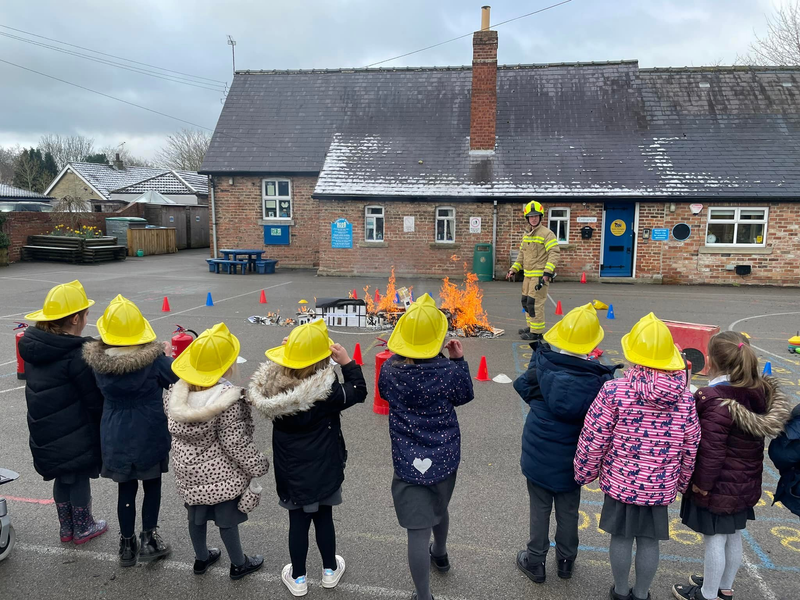
Understanding the world involves guiding children to make sense of their physical world and their community. The frequency and range of children’s personal experiences increases their knowledge and sense of the world around them – from visiting parks, libraries and museums to meeting important members of society such as police officers, nurses and firefighters. In addition, listening to a broad selection of stories, non-fiction, rhymes and poems will foster their understanding of our culturally, socially, technologically and ecologically diverse world. As well as building important knowledge, this extends their familiarity with words that support understanding across domains. Enriching and widening children’s vocabulary will support later reading comprehension.
The table below outlines the aspects of the Elevate EYFS Curriculum that feed into our History curriculum progression:
|
Reception (4-5 year olds) |
Early Learning Goals |
|
Past and Present Comment on images of familiar situations in the past i.e. homes, schools, transport. Recognise that things happened before they were born. Compare past and present photographs, noticing some of the differences. Compare and contrast characters from stories and figures in history. Organise events using basic chronology skills. Explore key vocabulary in past and present events. Compare and describe the changes from past to present in buildings, transport, school life, fashions, technology Know some similarities and differences between things in the past and present, drawing on their experiences and what has been read in class. Understand the past through settings, characters and events encountered in books read in class and storytelling. Children can use vocabulary such as first, then, next. Children can talk about their own past and key events that happen within this. Children can describe how they have changed from a baby and some of the skills they have learnt. Children can talk about some of their family members and refer to moments’ within these people’s pasts. Children can identify and describe the roles of some key figures in today’s world – Prime Minister, The Queen, famous Influencers and role models. Children know that some photographs are in colour, some are in black and white and some are painted. Understand the importance of using technology safely Children can talk about inventions and modernity. Children can use some mathematical language accurately when talking about the past (2 days ago, at the weekend, last week, at the start of the year) Children can talk about some figures in history (Amelia Earhart, Florence Nightingale etc) Tell stories/recall information from books about fictional/non fictional characters from the past and present Show an interest in exploring pictures, artefacts and accounts from the past, explaining similarities and differences Describe one key past and present event Create video recordings and photos using an iPad and use these to enhance their learning. Recognise and discuss significant past and present events Compare maps and photographs of the local area from the past and now and describe the changes they can see Use the internet/technology with supervision to support and extend learning I.e using google images to find photographs of structures to recreate in building area. |
ELG: Past and Present Talk about the lives of the people around them and their roles in society;
Know some similarities and differences between things in the past and now, drawing on their experiences and what has been read in class;
Understand the past through settings, characters and events encountered in books read in class and storytelling.
|
|
Vocabulary Family unique first then next old new past present timeline year similar different |
|
Intent
- Inspire children's curiosity to know more about the past, developing a knowledge and understanding of their local history, Britain’s past, and that of the wider world.
- Develop children's knowledge about people and events from a variety of perspectives: including Britain and the wider world, considering a range of perspectives: Political, Economic, Religious, Social, Scientific/Technological, Cultural/Artistic.
- Developchildren's language, skills and vocabulary needed to express their historical knowledge and understanding.
- Develop children's understanding of chronology, knowledge of key facts, significant people and places in history.
- Develop children's knowledge, links and awareness of how events that happened in the past have affected and shaped our lives today.
Implementation
- The National Curriculum for history is taught to all year groups.
- A clear progression in knowledge, skills and vocabulary is taught throughout the school starting at Early Years through to year 6 to ensure connections are clear, coverage is met and the sequence builds on skills as children progress through school.
- Trio Time is used to retrieve and reinforce previously taught knowledge in order to consolidate prior learning. It also used as an assessment strategy.
- Key vocabulary is shared and discussed at the start of each lesson and revisited in future lessons.
- Teachers assess and adapt teaching for all groups of learners, specifically providing extra targeted support and challenge for SEND, pupil premium and our most vulnerable children.
- We ensure pupils secure the essential foundational knowledge, beginning in Early Years, that enables them to build increasingly complex understanding over time, so that the curriculum is coherently sequenced, cumulative, and helps all children know more and remember more.
- Inquiry based history activities stimulate children's curiosity and independence.
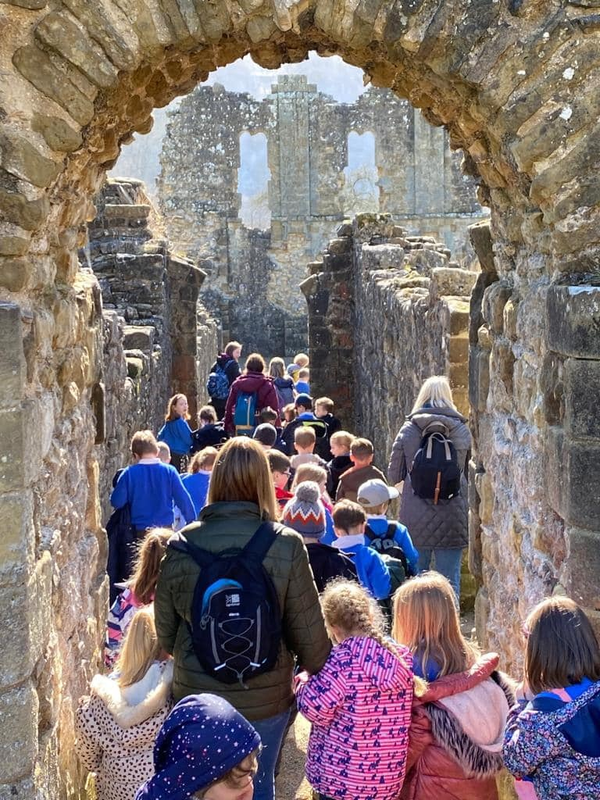
- Children visit local historic sites so they can experience first-hand the scale and texture of real lives in the past.
- Links are made to wider parts of the curriculum when they naturally fit but this is never forced to ensure deep levels of history knowledge and skills are always prioritised.
Impact
- Children are curious and passionate about their learning in history with an ever-growing skill, knowledge and vocabulary set.
- Children are able to effectively use age appropriate historical vocabulary.
- Outcomes in history books evidences a broad and balanced history curriculum demonstrating children’s acquisition of identified key knowledge, vocabulary and a progression in skills.
- Increased pupil engagement and enjoyment in history- pupil voice shows a range of different teaching methods to engage all learners.
- Children understand their local history and can talk confidently about aspects of it.