

Outdoor Learning
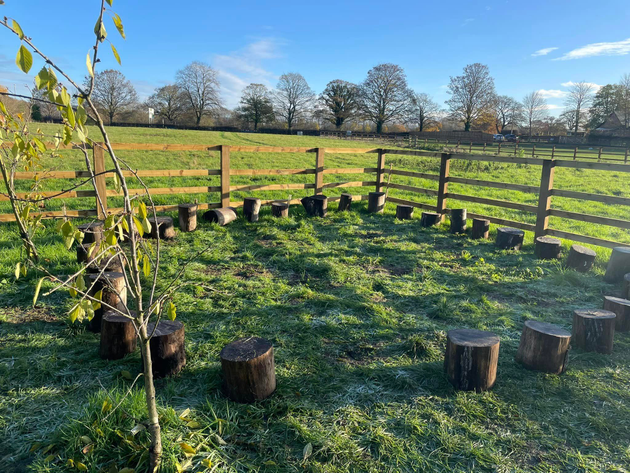
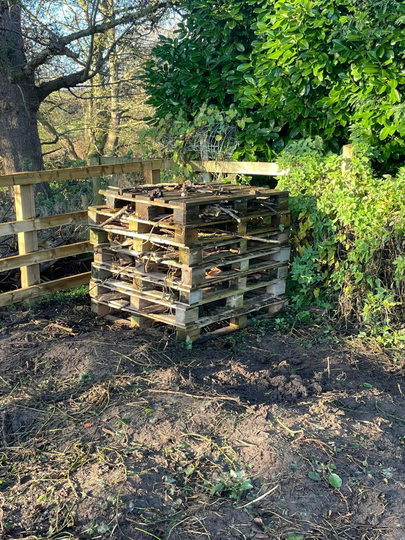
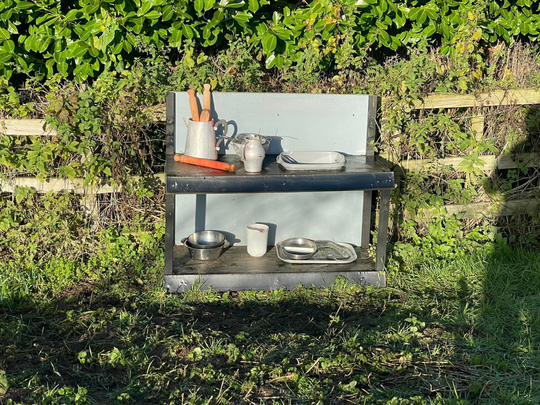
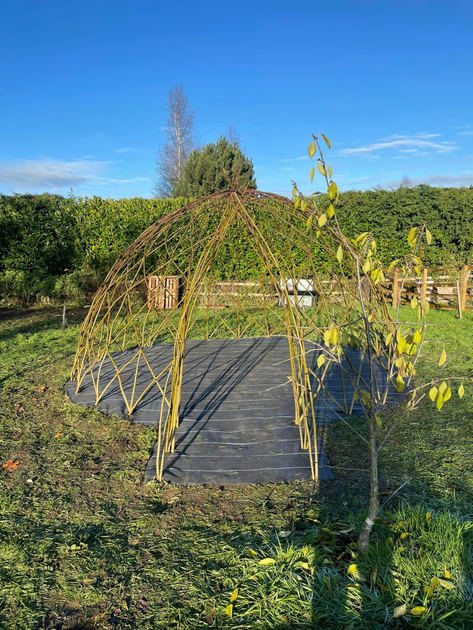
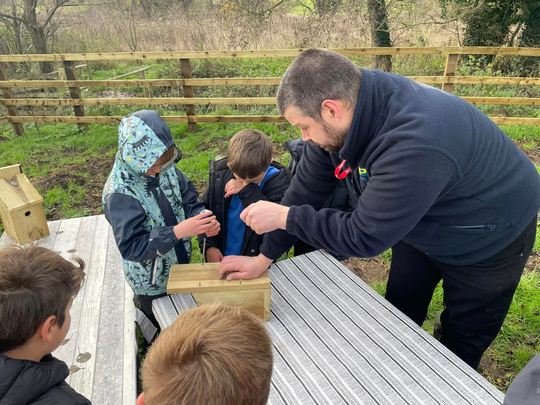
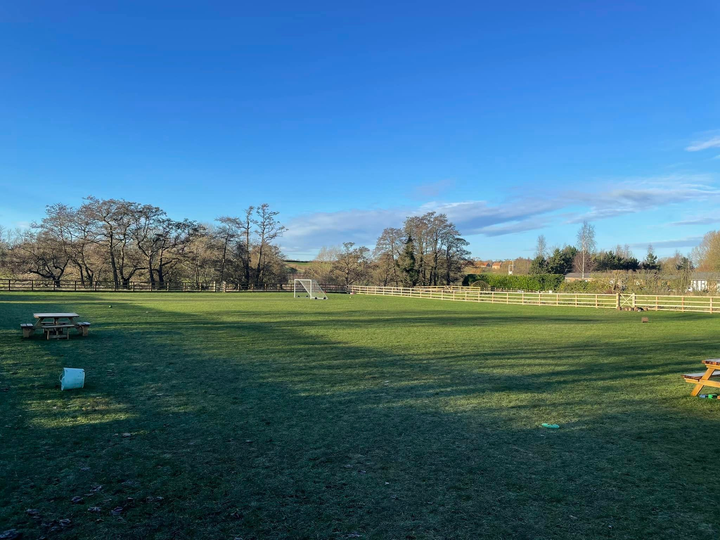
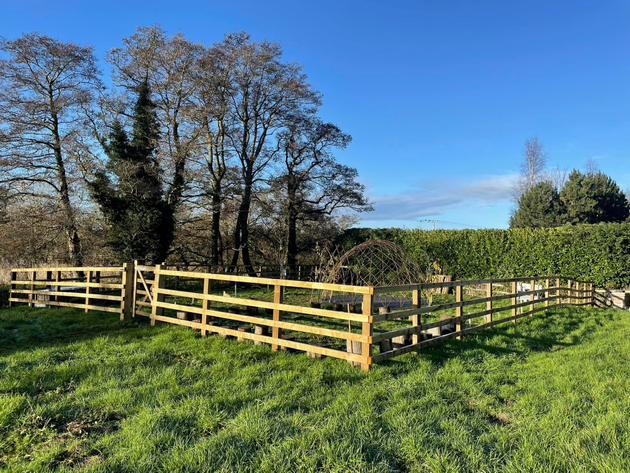
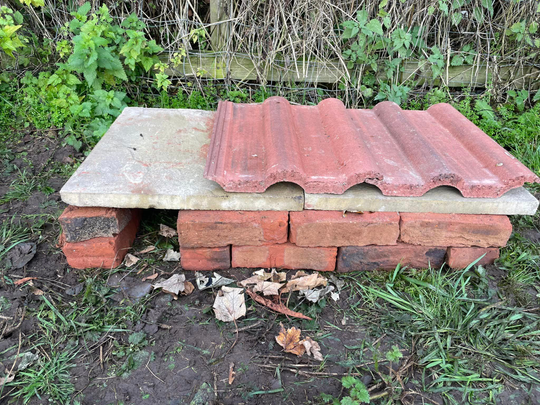
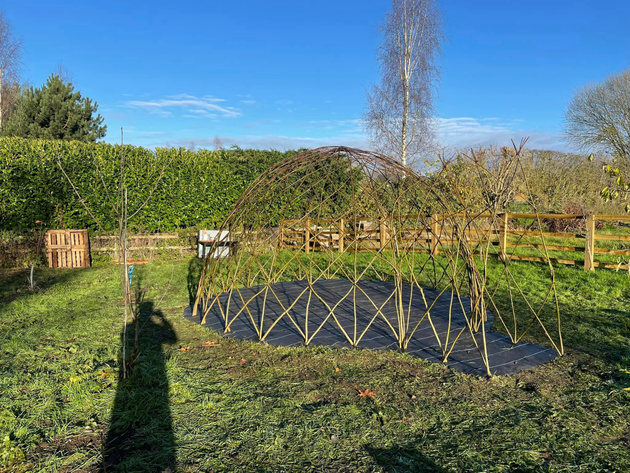
At South Kilvington C of E Academy, our weekly Outdoor Learning programme is a planned, purposeful component of our curriculum that enhances pupils’ personal development, wellbeing, and holistic growth. We use our extensive school field and outdoor learning area as an additional classroom that enriches learning across the curriculum and supports all pupils to flourish.
Intent
1. Support Mental Health & Emotional Wellbeing
Through weekly experiences outdoors, pupils develop:
- improved emotional regulation,
- reduced stress and anxiety,
- greater resilience and self-esteem,
- a practical understanding of the NHS 5 Steps to Mental Wellbeing.
This helps us promote pupils’ mental and physical wellbeing effectively.
2. Promote Active, Healthy Lifestyles
Outdoor Learning capitalises on movement, exploration and physical challenge in natural spaces. Pupils develop an understanding of how being active contributes to a healthy lifestyle focusing on keeping pupils physically and mentally healthy.
3. Build Social Skills, Collaboration & Character
Outdoor Learning provides rich opportunities to develop:
- communication, cooperation and teamwork,
- negotiation and problem-solving,
- leadership skills,
- empathy and respect for others.
This contributes significantly to the development of character traits such as resilience, independence, and kindness.
4. Enhance Knowledge, Curiosity & Cultural Capital Through Real-World Learning
Pupils learn through hands-on, multisensory experiences linked to curriculum areas such as science, geography, DT, and PE. They develop curiosity, enquiry skills and a deeper understanding of the world around them, directly supporting cultural capital.
5. Provide Equitable Access to High-Quality Outdoor Experiences
Every child takes part in Outdoor Learning weekly, ensuring all pupils, including disadvantaged pupils and those with SEND benefit from:
- learning at an appropriate pace,
- activities matched to their interests,
- accessible, inclusive opportunities to succeed.
Implementation
Our Outdoor Learning curriculum is delivered through a structured, teacher-led weekly programme that makes purposeful use of our school grounds. It works alongside our Forest School model, but with a more curriculum-linked focus.
1. Weekly Outdoor Lessons for Every Class
All classes access Outdoor Learning for at least one lesson per week. Teachers plan for these sessions across subjects to maximise engagement and deepen understanding through practical, real-life experiences.
2. High-Quality Learning Environment
Our outdoor areas, including field, natural spaces, learning shelters and exploration zones are intentionally designed to provide:
- open-ended learning opportunities,
- creative, collaborative activities,
- space for challenge, movement and problem-solving,
- sensory-rich environments that support regulation and wellbeing.
3. Curriculum-Linked, Purposeful Activities
Outdoor sessions include structured learning tied to curriculum objectives such as:
- science investigations,
- mapwork and fieldwork skills,
- creative writing inspired by nature,
- maths in context,
- team games and problem-solving challenges,
- art and DT using natural materials.
This ensures Outdoor Learning makes a meaningful contribution to the breadth and balance of the curriculum.
4. Focus on the NHS 5 Steps to Mental Wellbeing
Each session builds in explicit learning and reflection linked to:
- Connect – working collaboratively; circle times outdoors.
- Be Active – movement-rich tasks; nature walks; challenges.
- Take Notice – mindfulness moments; sensory observation.
- Keep Learning – new skills outdoors; practical exploration.
- Give to Others – teamwork, helping peers, caring for the environment.
This helps us teach pupils how to stay mentally healthy.
5. Inclusive, Differentiated Learning Approaches
Staff plan for every child to succeed by using approaches such as:
- open-ended tasks and challenges,
- flexible grouping,
- personalised scaffolds,
- opportunities for pupil choice.
This ensures pupils with SEND and disadvantaged pupils benefit equally.
6. Reflection and Metacognition
Sessions end with reflective practice where pupils consider:
- what they learned,
- how they approached challenges,
- how they felt,
- how they supported others.
This strengthens metacognitive thinking and emotional literacy—areas Ofsted highlights under personal development.
Impact
Weekly Outdoor Learning has a measurable impact on pupils’ personal development, wellbeing, attitudes to learning and character formation.
1. Improved Mental Health and Emotional Regulation
Pupils demonstrate:
- increased resilience and confidence,
- reduced stress and anxiety,
- improved mood and emotional control,
- a secure understanding of practical strategies for wellbeing.
2. Stronger Social Skills and Teamwork
Through regular collaboration and shared problem-solving, pupils:
- communicate more effectively,
- negotiate and resolve conflicts more independently,
- show greater empathy and sensitivity towards others,
- exhibit positive attitudes and behaviours.
3. Enhanced Engagement & Attitudes to Learning
Lessons outdoors lead to:
- improved focus,
- increased enjoyment and motivation,
- stronger participation from pupils who may find classroom learning challenging,
- higher self-esteem through success in practical tasks.
4. Greater Knowledge, Understanding & Application
Pupils show:
- deeper understanding through real-life, multisensory learning,
- improved retention of knowledge,
- increased curiosity and willingness to explore,
- stronger fieldwork and scientific enquiry skills.
5. Character, Resilience & Independence
Children develop:
- independence through managing their own learning outdoors,
- confidence through encountering and overcoming challenge,
- perseverance, determination and problem-solving skills.
These contribute to strong readiness for the next stage of education.
We also focus activities on the NHS 5 steps to mental wellbeing. Please click on the following link to find out more about these: